


The Ultimate Guide to Caring for Your Cutting Boards (and Keeping Them Baker-Ready!)

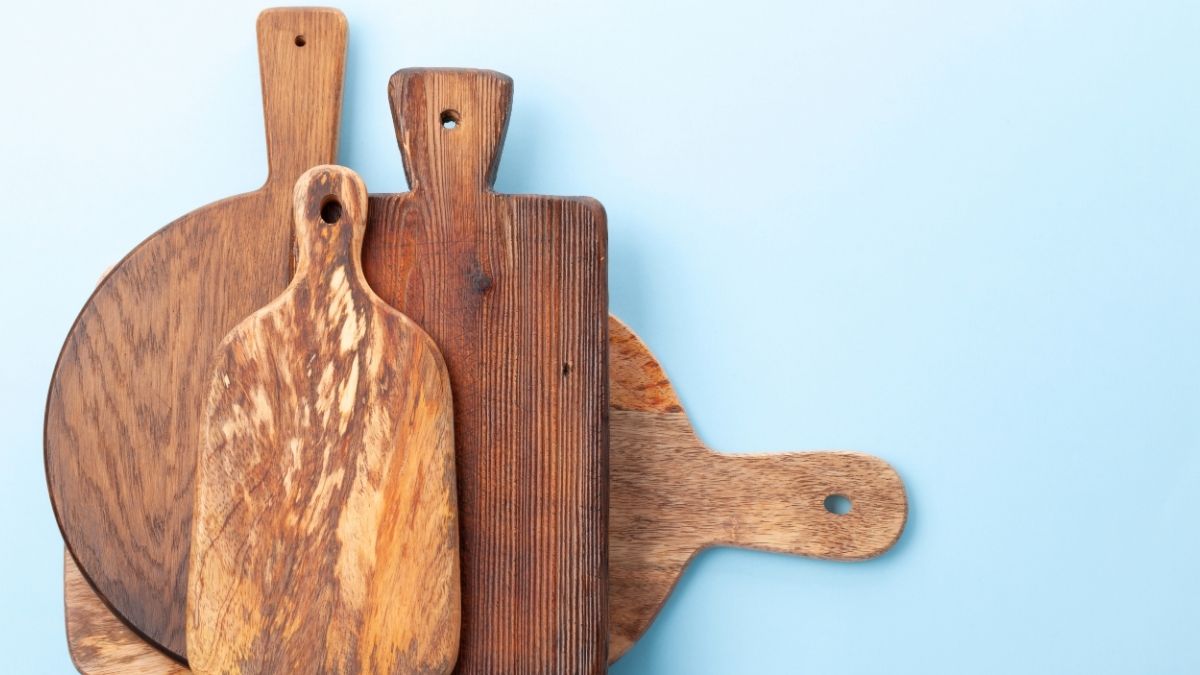

Cutting boards are one of the most frequently used tools in any kitchen, but for home bakers, they hold an extra layer of importance. Whether you’re prepping fruit for pies, chopping nuts for cookies, slicing fresh bread, or kneading dough before transferring it to a countertop, a well-maintained cutting board becomes an essential part of your workflow. Yet, despite their daily use, cutting boards are often overlooked when it comes to proper cleaning, maintenance, and care.
If you’ve ever wondered why your wooden board looks dull, why your plastic board stains so easily, or how to keep your favorite prep surface looking fresh and safe for everyday cooking, this guide will walk you through everything you need to know. From choosing the right board to cleaning, sanitizing, oiling, and long-term maintenance, here’s how to keep your cutting boards baker-ready, hygienic, and built to last.
Why Proper Cutting Board Care Matters
A cutting board is more than just a slab of wood or plastic—it’s a food preparation surface that comes into direct contact with ingredients. The better you care for it, the safer and more enjoyable your baking and cooking experience becomes.
Here’s why maintenance is so important:
1. Food Safety
Knife grooves, unsealed wood, and worn-down plastic can trap bacteria. Proper cleaning and care prevent cross-contamination and ensure a hygienic prep surface.
2. Board Longevity
A well-maintained wooden board can last a decade or more. Even plastic boards last significantly longer when cleaned and stored properly.
3. Knife Protection
The right care ensures your board remains smooth and gentle on your blades. A worn or overly hard surface can dull knives instantly.
4. Better Baking Prep
From cutting fruit for fillings to chopping chocolate or shaping dough, a stable, smooth board improves precision and keeps your workspace organized.
Wood vs. Plastic vs. Bamboo: Why Care Differs
Different materials require different care routines. Knowing how to maintain each one helps extend its life and keeps your baking prep worry-free.
Wood Cutting Boards
Wood is a baker’s favorite because it’s gentle on knives, naturally beautiful, and durable. But wood is porous, meaning moisture and bacteria can seep in if it’s not properly cleaned and sealed.
Wood boards need:
- Regular oiling
- Gentle washing (never soaking)
- Occasional resurfacing
Plastic Cutting Boards
Plastic boards are affordable, lightweight, and dishwasher-safe. They’re great for quick baking tasks like chopping nuts or slicing fruit. However, deep knife marks can trap bacteria and discolor easily.
Plastic boards need:
- Frequent sanitizing
- Replacement once knife grooves become severe
Bamboo Cutting Boards
Though technically a grass, bamboo boards behave similarly to wood. They are harder and less porous, but still require care to prevent cracking.
Bamboo boards need:
- Occasional oiling
- Quick cleaning
- Avoiding excessive moisture
Daily Care: Keeping Your Board Clean After Every Bake
1. Wash Properly
For wood and bamboo:
- Use warm water and mild dish soap.
- Scrub with a soft sponge or brush.
- Rinse quickly and dry immediately with a towel.
For plastic:
- Wash with soap and warm water.
- Or place in the dishwasher if manufacturer-approved.
2. Never Soak Wooden Boards
Soaking leads to:
- Splitting
- Warping
- Mold growth
- Weakening of the board’s structure
Water is the enemy of wood—quick washing is always best.
3. Dry Upright
After washing:
- Stand your board on its side or in a rack.
- Ensure both sides dry evenly.
- Avoid stacking boards when damp.
Airflow prevents mold and warping—crucial for wooden and bamboo boards.
Deep Cleaning: When Your Cutting Board Needs Extra Attention
Daily washing removes residue, but deeper cleaning is needed to tackle stains, odors, and lingering bacteria.
1. Baking Soda & Lemon Scrub
Great for wood and bamboo boards.
How to do it:
- Sprinkle baking soda across the board.
- Cut a lemon in half and scrub the surface.
- Rinse and dry thoroughly.
This method naturally removes odors (think onions, garlic, or strong herbs), but also brightens the wood.
2. Vinegar Rinse
Vinegar is a natural sanitizer.
To clean:
- Spray pure white vinegar onto the board.
- Let sit for 5 minutes.
- Wipe clean and dry.
Works for both wood and plastic.
3. Hydrogen Peroxide Sanitizing
For tough bacteria, especially after cutting raw veggies, fruits, or plant-based meats.
Steps:
- Pour 3% hydrogen peroxide onto the surface.
- Let it bubble for a few minutes.
- Rinse and dry.
Particularly effective for plastic boards.
Oiling Your Wooden Cutting Board: The Secret to Long-Term Health
Wooden and bamboo boards need regular oiling to stay smooth, safe, and water-resistant. Without oil, they dry out, crack, and become rough.
Why Oil Matters
Oiling:
- Seals wood
- Prevents moisture absorption
- Makes cleaning easier
- Enhances grain and color
How Often Should You Oil?
- Monthly for regular use
- Weekly if you bake often or use your board daily
Best Oils to Use
- Food-grade mineral oil
- Fractionated coconut oil
- Plant-based cutting board conditioners
Avoid cooking oils (olive, canola, sunflower), which go rancid and cause unpleasant odors.
How to Oil Your Board
- Ensure the board is clean and dry.
- Pour a small amount of oil onto the surface.
- Spread with a soft cloth in circular motions.
- Let it soak for several hours or overnight.
- Wipe off excess oil with a clean cloth.
Your board will look refreshed, hydrated, and ready for more baking prep.
Fixing Common Cutting Board Problems
1. Warping
Warping happens from uneven moisture.
To fix:
- Wet the concave (curved inward) side slightly.
- Place the board on a flat surface with the concave side facing down.
- Put weight on top for 24 hours.
2. Stains
Use:
- A baking soda and water paste
- Hydrogen peroxide for plastic
- Lemon juice for wooden boards
3. Dry, Splintering Wood
This means your board needs oil—and possibly sanding.
Steps:
- Sand lightly with fine-grit sandpaper.
- Wipe off dust.
- Oil generously.
4. Strong Odors
Salt + lemon removes most smells naturally.
When to Replace Your Cutting Board
Even with proper care, cutting boards don’t last forever. Here’s when it’s time to say goodbye:
For Wooden or Bamboo Boards
Replace when:
- Deep cracks form
- Mold persists even after cleaning
- The board splits or warps beyond repair
For Plastic Boards
Replace when:
- Knife grooves are deep and hard to clean
- The surface becomes uneven
- Stains and odors remain permanently
A damaged board can harbor bacteria or become unsafe for knife use.
How to Keep Your Cutting Boards Baker-Ready
Since bakers often work with delicate ingredients—soft fruits, aromatic spices, chocolate chunks, herbs, and dough—a clean, smooth, food-safe cutting board is essential.
Here’s how to stay prepared:
- Use separate boards for produce, nuts, bread, and savory ingredients to avoid flavor transfer.
- Keep one board specifically for dough prep—a well-oiled wooden board makes dough handling easier.
- Store upright or hanging to maintain airflow.
- Clean immediately after sticky ingredients, like fruit preserves or melted chocolate.
- Oil regularly to keep wood in ideal condition.
A well-maintained board ensures your baking prep is always efficient, hygienic, and enjoyable.
Final Thoughts
A cutting board may be one of the simplest tools in your kitchen, but it can also be one of the most important corporate gift. With the right care—regular washing, occasional deep cleaning, proper drying, and oiling—you can keep your boards in excellent condition for years. For home bakers, this means smoother workflows, safer food preparation, and a beautiful kitchen tool you can rely on daily.
Caring for your cutting board is caring for your kitchen—and ultimately, caring for the delicious creations that come out of it. If you give your board the attention it deserves, it will reward you with durability, functionality, and reliability every time you bake.
