


Best Oils for Deep Frying: A Complete Guide to Choosing the Right One

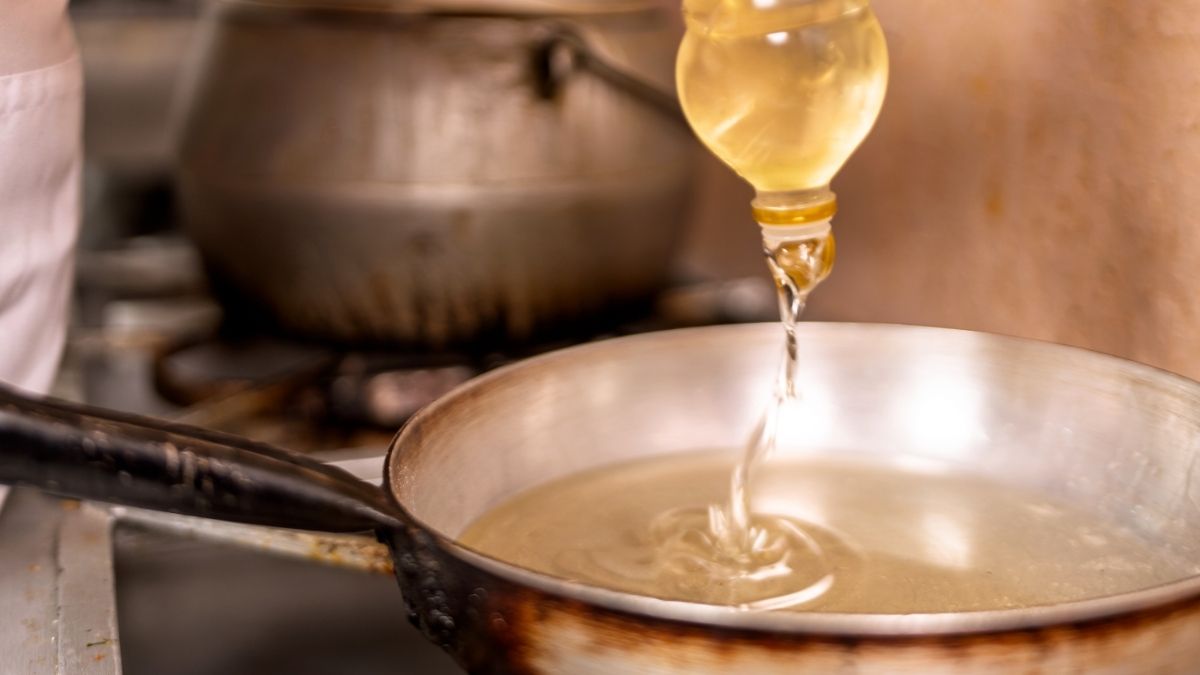

Choosing the right oil for deep frying is more than just a matter of taste — it’s a critical factor for both the quality of your food and your overall health. The type of oil you select can impact everything from the texture of your fried items to how nutritious your meal is. Oils vary widely in terms of properties like smoke point, flavor profile, and how well they withstand high temperatures. These differences are key in determining not only the success of your frying but also the potential health effects of your dish.
In this guide, we’ll explore the different oils best suited for deep frying, breaking down the essential factors to consider when selecting one. We’ll also discuss how each oil performs under heat and its effect on both the flavor and health of your meals. Whether you’re frying at home or running a commercial kitchen, understanding these variables will help you make the best choice for your cooking needs.
What Makes a Good Deep Frying Oil?
A good deep frying oil has several essential characteristics. The key factors that make an oil suitable for deep frying include its smoke point, stability, health impact, and taste.
- Smoke Point: The smoke point is the temperature at which oil begins to break down and produce smoke. When oils reach their smoke point, they lose their flavor and can release harmful compounds. For deep frying, you need an oil with a high smoke point (at least 375°F or 190°C) to ensure it remains stable at the temperatures needed for frying.
- Stability: The stability of oil is crucial for high-heat cooking methods like deep frying. Some oils, particularly those high in polyunsaturated fats, are more prone to oxidation when heated, which can lead to the formation of harmful free radicals. Oils with higher amounts of monounsaturated fats are generally more stable and better suited for deep frying.
- Health Impact: Different oils contain different ratios of fats—monounsaturated, polyunsaturated, and saturated fats. Oils with a higher concentration of monounsaturated fats, like olive oil and canola oil, are generally considered healthier for frying because they can help lower bad cholesterol levels and support heart health.
- Taste: The flavor of the oil plays a significant role in the final taste of your fried food. While many oils have a neutral flavor, some oils, such as peanut oil, can impart a slight nutty taste that complements certain dishes. It’s essential to consider how the oil will affect the taste of your food, especially if you are frying delicate items.
Types of Oils Used for Deep Frying
There are several types of oils commonly used for deep frying. Each oil has its own characteristics that make it suitable for different types of frying. Below are some of the most popular oils for deep frying:
Vegetable Oil
Vegetable oil is one of the most common and affordable oils used for deep frying. It is typically made from a blend of different plant-based oils, such as soybean, corn, and sunflower oil. Vegetable oil has a relatively high smoke point (around 400°F or 204°C) and a neutral flavor, making it suitable for frying a wide range of foods.
- Pros: Affordable, neutral flavor, widely available.
- Cons: High in omega-6 fatty acids, which can promote inflammation when consumed in excess.
Canola Oil
Canola oil is another popular choice for deep frying. It is made from the seeds of the canola plant and has a relatively high smoke point (around 400°F or 204°C). Canola oil is low in saturated fat and high in monounsaturated fats, making it a heart-healthy option for frying.
- Pros: Low in saturated fat, high in monounsaturated fat, neutral flavor.
- Cons: Some canola oils are highly refined, which can affect their nutritional value.
Peanut Oil
Peanut oil, also known as groundnut oil, is commonly used for frying in both commercial kitchens and at home. It has a high smoke point (around 450°F or 232°C), which makes it ideal for deep frying. Peanut oil also imparts a slightly nutty flavor to foods, making it particularly popular for frying Asian-inspired dishes and crispy fried chicken.
- Pros: High smoke point, stable, slightly nutty flavor.
- Cons: Expensive, not suitable for individuals with peanut allergies.
Sunflower Oil
Sunflower oil is made from sunflower seeds and has a high smoke point (around 440°F or 227°C), making it ideal for deep frying. It is rich in vitamin E and has a mild flavor, which makes it suitable for a wide range of dishes. There are two types of sunflower oil: regular sunflower oil and high oleic sunflower oil. The high oleic version is higher in monounsaturated fats, making it a healthier option for frying.
- Pros: High smoke point, rich in vitamin E, neutral flavor.
- Cons: Regular sunflower oil can be high in omega-6 fatty acids.
Corn Oil
Corn oil is made from the germ of corn kernels and is commonly used for deep frying due to its high smoke point (around 450°F or 232°C). It has a neutral flavor and is rich in polyunsaturated fats, including omega-6 fatty acids.
- Pros: High smoke point, neutral flavor, inexpensive.
- Cons: High in omega-6 fatty acids, which can contribute to inflammation if consumed in excess.
Soybean Oil
Soybean oil is commonly used in commercial frying due to its affordability and high smoke point (around 450°F or 232°C). It is rich in polyunsaturated fats and contains omega-6 fatty acids, which can contribute to inflammation when consumed in large amounts.
- Pros: High smoke point, affordable, commonly available.
- Cons: High in omega-6 fatty acids, not the healthiest option for long-term use.
Olive Oil (Extra Light)
While extra virgin olive oil is generally not suitable for deep frying due to its low smoke point, extra light olive oil has a higher smoke point (around 468°F or 242°C) and can be used for frying. It has a milder flavor than extra virgin olive oil, which makes it suitable for frying without overpowering the taste of the food.
- Pros: Heart-healthy, rich in antioxidants, mild flavor.
- Cons: Expensive, not ideal for very high-heat frying.
Health Considerations in Choosing Deep Frying Oils
When choosing an oil for deep frying, it’s essential to consider the oil’s health impact. Oils with a higher content of monounsaturated fats, such as olive oil and canola oil, are generally considered healthier for frying because they can help lower cholesterol and support heart health.
However, oils high in polyunsaturated fats, such as soybean and corn oils, can promote inflammation when consumed in excess, especially in an imbalanced ratio with omega-3 fatty acids.
For a healthier frying experience, consider choosing oils with a higher concentration of monounsaturated fats, such as high oleic sunflower oil or canola oil, as these oils are more stable at high temperatures and can have a more favorable impact on heart health.
Factors to Consider When Choosing the Right Oil
Choosing the right oil for deep frying involves several factors. Below are the key considerations:
- Smoke Point: The smoke point is crucial because frying requires high temperatures. Choose oils with a high smoke point (above 375°F or 190°C) to prevent the oil from breaking down and releasing harmful compounds.
- Flavor Impact: The flavor of the oil can impact the final taste of your food. Neutral oils, such as vegetable or canola oil, are ideal for dishes where you want the food’s flavor to shine through. If you want to add a specific flavor, such as nuttiness, peanut oil may be a good choice.
- Cost and Availability: Cost is an important factor, especially if you’re frying large quantities of food. Vegetable oil and corn oil are affordable options, while oils like peanut or olive oil can be more expensive.
- Reusability: Some oils are more stable than others and can be reused multiple times. High oleic oils, such as high oleic sunflower oil, are more stable and can be reused for frying more times than oils like regular sunflower oil or soybean oil.
Best Oils for Specific Deep Frying Applications
Different oils are better suited for different frying applications. Here’s a breakdown of the best oils for specific uses:
- For Crispy Fried Foods: Oils with a high smoke point and stability, such as peanut oil or high oleic sunflower oil, are ideal for achieving a crispy, golden finish.
- For Frying at High Temperatures: Peanut oil, sunflower oil, and corn oil are excellent for deep frying at high temperatures due to their high smoke points.
- For Light Frying and Sautéing: Oils with a mild flavor and moderate smoke point, such as canola oil or vegetable oil, are perfect for lighter frying or sautéing.
How to Properly Store and Maintain Your Frying Oil
Proper storage and maintenance of frying oil can help prolong its lifespan and ensure that it remains safe for use. Here are some tips:
- Cool the Oil Before Storing: Always let the oil cool to room temperature before storing it in a clean container.
- Store in a Dark, Cool Place: Heat and light can cause oil to break down faster, so store used oil in a cool, dark place to maintain its quality.
- Filter the Oil: After each use, filter out any food particles to prevent them from burning the next time you fry.
- Reuse With Caution: Reuse oil no more than 2-3 times to prevent it from becoming overly oxidized and degrading in quality.
Conclusion
Choosing the best oil for deep frying is essential for both the quality of your fried food and your health. The best oils for frying are those with a high smoke point, stability at high temperatures, and a favorable nutritional profile. Oils such as peanut oil, canola oil, and high oleic sunflower oil are among the best choices for deep frying. By considering the factors like smoke point, flavor, and health impact, you can select the right oil for your needs and make fried foods that are both delicious and healthy.
